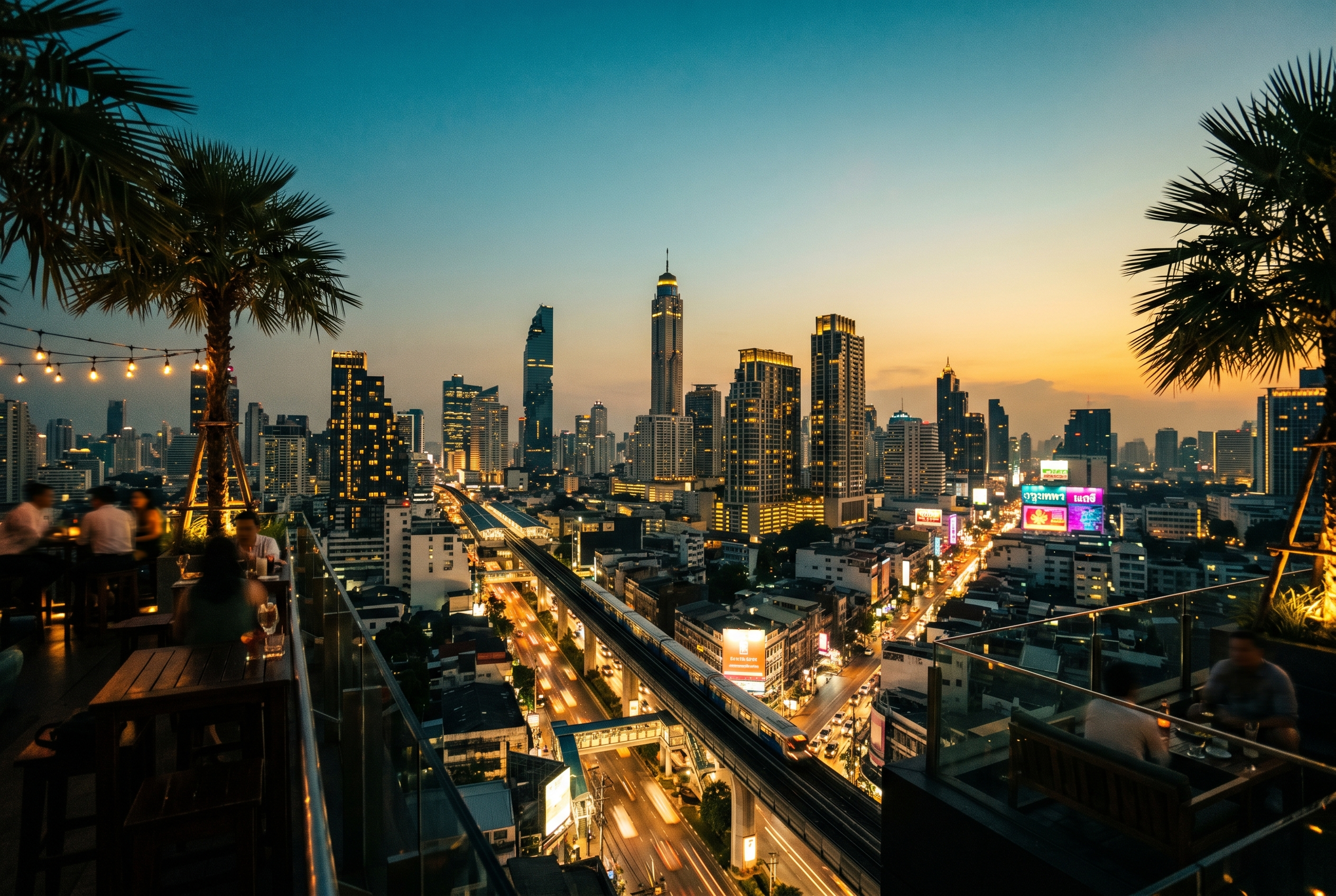
Bangkok was our launch city. Big mistake to launch with hubris — Bangkok is the SEA travel capital, has 30+ adjacent platforms, and has an active expat community willing to call you out the moment your trust theatre slips.
Lesson one: Reference checks have to be phone calls
Email references in Southeast Asia have a 70% non-response rate. The sample sizes lied early on — we sent 40 reference emails and got 28 back and thought we had a system. We didn't; we had a lucky sample. Now we hire local trust ops in each city to call references in their language. Response rates went to 94%. The quality of information is incomparably better. You hear hesitation on a phone call; you don't read it in an email.
Lesson two: Top hosts don't broadcast
Our 8% Top Host tier emerged organically — they have 4.9+ ratings, sub-hour response times, a year of history. We tried to push them with broadcast messages. They don't need it. The traveller-finds-them mechanic worked better than push. Top hosts who broadcast see a 12% booking lift. Top hosts who don't broadcast see a 31% booking lift because the unforced demand signals quality to the algorithm. We almost broke that by being helpful.
Lesson three: Premium tiers self-segment
We didn't have to design the casual/premium divide; the hosts did. Casual hosts price at 200–500 pts/meet, premium hosts price at 950–3,000. The 6× spread is consistent across cities. Don't over-design the pricing tiers — let the hosts do it. The platform's job is to make the price visible and the quality signals credible. The market handles the rest.
What we're taking to Manila and HCMC
Manila opens this month. Ho Chi Minh is next. We're going in slower — 25 hosts at launch, not 60. Reference calls start before the video interview, not after. And we're not touching the broadcast feature until the city has 12 months of rating data.
Bangkok is still our most trusted city by NPS. Not because we got it right — because we had enough time to get it wrong and fix it.
Topics